
Introductory Thoughts
The question of chronology regarding the early history of man is one of the more difficult problems facing Biblical scholars and archeologists. It’s such a difficult problem that many simply ignore it. Although I am sympathetic—the problem is thorny and involves different scientific disciplines—I think students of the Bible need to be aware of the issue so they are not surprised when critics bring it up.
Just the other day, I spoke to a pastor who had been reading a well-respected conservative Bible atlas. He said the book discussed conventional archeological periods, but overlooked how those periods fit with early Biblical history.
Even though he knew the men writing the book held to the authority of the Bible, it was clear they did not want to address the underlying question: how are the various periods of archeology connected to the sequence of events recorded in the first 11 chapters of Genesis?
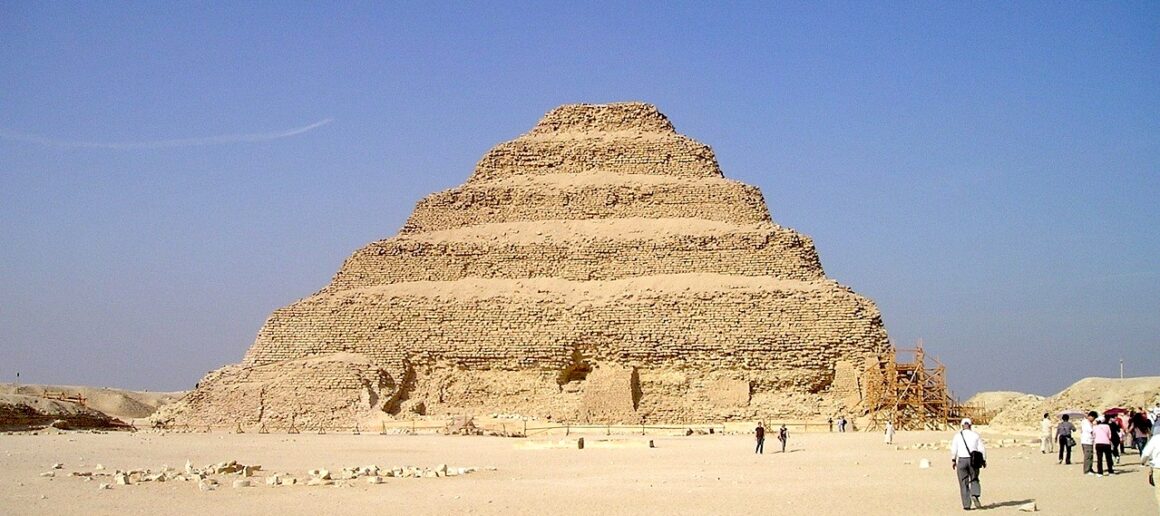
After all, the book of Genesis provides a straightforward sequence of events. The time markers start in Genesis 1 with the days of creation, then lead progressively to Abraham in Genesis 11. Genesis 5 and 11 include genealogies with specific names and ages that can be added up to create a chronology spanning thousands of years. The Flood is placed in the 600th year of Noah’s life; it is described as a world-destroying event that killed all humans, land animals, and flying animals. Genesis 10 records the global spread of Noah’s descendants after the Flood. Their migration culminates in one group building a pagan tower at Babel; to stop it, God transforms their language into many languages.
But the conventional chronology provides a completely different sequence of events. Instead of the first humans being Adam and Eve, there were multiple groups of human ancestors who evolved from ape-like predecessors. Instead of a global flood that suddenly wiped out all civilizations and re-shaped the earth, there was a slow, progressive growth of tribal groups first living in caves, then communities, then ancient cities. Finally, instead of a timeline of thousands of years, conventional history says humans have been on the earth for millions of years, with modern humans (Homo sapiens) appearing about 300,000 years ago.
These incompatible chronologies illustrate the problem facing Christian scholars. A respected textbook on prehistory observes: “Archaeology allows us to demonstrate that creationist views, though deeply held, are incompatible with the evidence of the past that is available to us.” (The Human Past, 4th ed)
Although I don’t think this statement is true, I understand why it is being said. There are an enormous number of ancient human fossils, artifacts, and dwelling sites that conventional archeologists point to as evidence that Genesis 1-11 is not historically accurate. I find most Christians are either unaware of the actual evidence, or, if they are aware of it, do not know what to do with it.
So how should we respond to the problem? Over the years, Christians have developed two different approaches. Each brings with it different benefits and challenges. My goal with this article is to explain the two main views Christians hold in regard to the early chronology of man, as well as to outline the issues facing both of them. I will then explore what I think is the best solution to the problem. Before I do that, however, I’d like to define a few terms to provide some background for our discussion.
A Few Definitions
What is chronology? The word “chronos” in Greek refers to time. Chronology is the science of ordering events in time and determining the points at which they happened. Generally speaking, there are two types of chronology: relative and absolute.
A relative chronology orders events in sequence and duration, but does not link them to specific points in time. For example, a relative chronology of World War II might follow this sequence: Germany invaded Poland, the next year it invaded France, and the following year it invaded Russia. But no specific years are listed.
If we were to add years, however, it becomes an absolute chronology. Germany invaded Poland in 1939, France in 1940, and Russia in 1941. The term absolute means the chronology is linked to something unchanging, like a date or range of dates.
Although today we use computers and clocks to track dates and time, these are just modern tools based on two essential timekeepers. From the beginning, our understanding of time has always been linked to the relationship between the earth and the sun.
For instance, a day is the time it takes for the earth to spin one full rotation on its axis in relation to the sun. It doesn’t matter whether you measure that rotation from sunset to sunset, or sunrise to sunrise, or midnight to midnight. It’s the same amount of time.

Next, a year is the period it takes for the earth to revolve one full circuit around the sun. Again, it doesn’t matter if you measure a year from January 1 to December 31, or from April 15 to April 14: a solar year is approximately 365 and 1/4 days. That means the end of the year 1939 was the one thousand, nine hundred, and thirty-eighth time the earth had circled the sun since Year 1 Anno Domini (Latin for “in the year of our Lord”).
Of course, if you were living in Rome during what we call 1 A.D., you would have said it was Year 754 Ab Urbe Condita, that is, the 754th year “after the founding of the City.” Although ancient people used different calendars, they still used the same days and years that we use. It’s just a matter of comparing calendars to try to match up dates.
What about months, weeks, hours, minutes, and seconds? These are divisions that enable us to organize days and years. Although months originally were linked to the moon’s 28-day cycle, they eventually were disconnected into the 12 months we know to keep in step with the solar year.
Finally, the week is based on God’s week of creation where He established a work/rest cycle for mankind. Hours, minutes, and seconds are man-made divisions for a day.
When it comes to chronology, although all of these divisions are useful, the most important is the year. It fits easily within the time span God has given men to live on the earth, and it is linked to something unchanging and trackable: the earth’s rotation around the sun. No matter how long people think the earth and sun have existed, they all agree that the year is the best way to track time over extended periods.
One last comment: our calendar was established by a monk in the early middle ages and centered on the year he understood to be the birth of Jesus Christ: 1 A.D. The terms B.C. and A.D. mean “Before Christ” and “Anno Domini” to designate years before and after Jesus’s birth. However, as the western academic community became secularized in the 19th and 20th centuries, the terms Common Era (CE) and Before Common Era (BCE) were used as potential replacements for the Christian A.D. and B.C. In this article, however, we will continue to use the Christian terminology.
Let’s now return to our discussion of the two main approaches to chronology within the Christian world.
Approach 1: Young Earth Creation
The first approach to establishing a Biblical chronology of early man starts with the Biblical text. There are approximately 2,300 verses in the Old Testament that refer to days, months, and years. Genesis 1-11 includes about 100 of those instances. When one identifies all the dates and times listed in various places, a relative chronology can be constructed from the text, starting with Adam and going up through the Apostle Paul. This relative chronology can then be linked to other calendars that in turn are linked to astronomical dates. This enables us to create an absolute Biblical chronology.
For thousands of years, Jewish and Christian scholars used the book of Genesis to build a chronology of early human history. Although there are variations within this approach, all possible chronologies based on the Bible’s internal dates span less than 10,000 years from the creation of the earth to the present day.
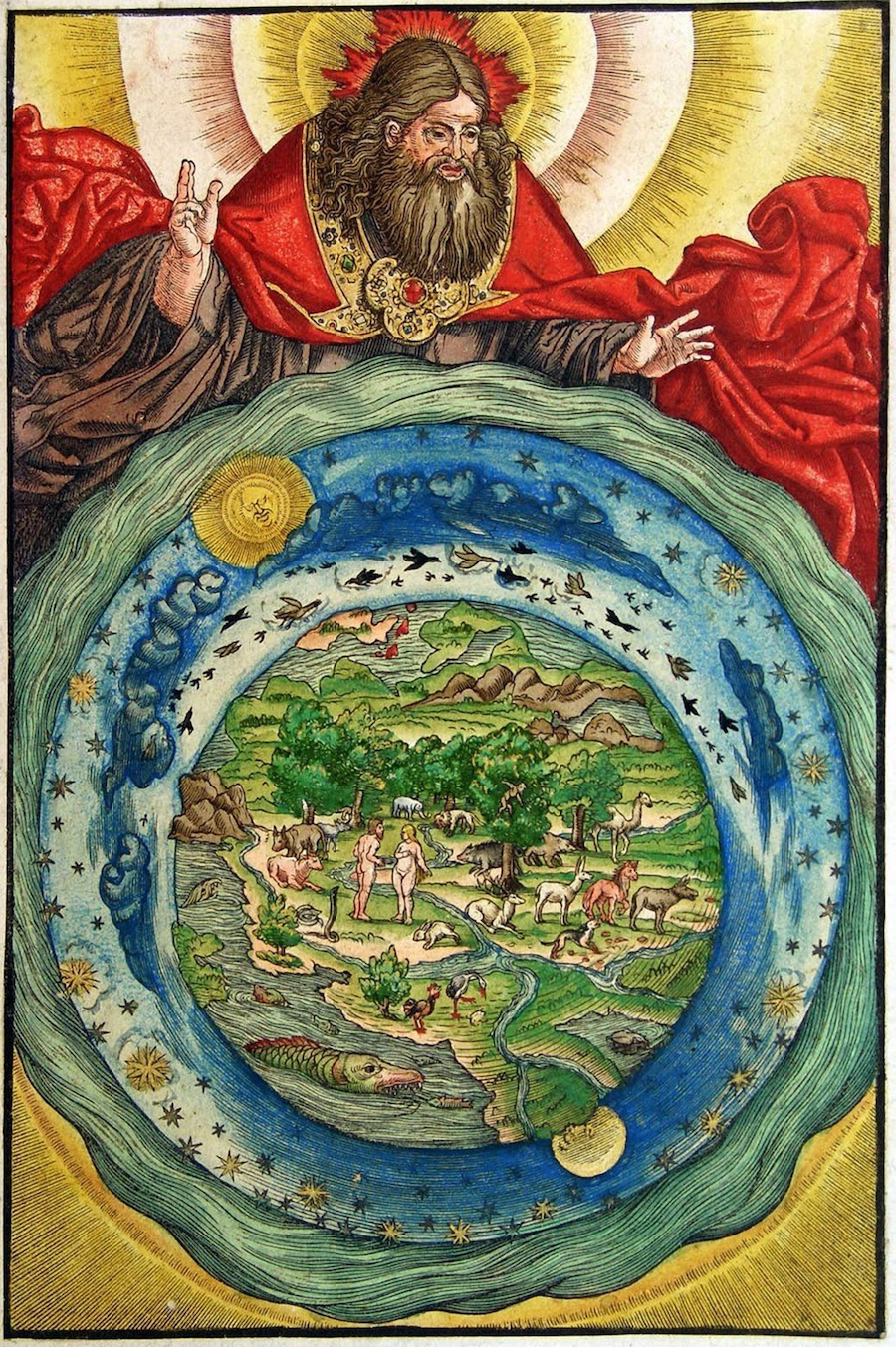
This approach to biblical chronology has come to be known as Young Earth Creation (or Young Age Creation) since it holds that both the earth and mankind are relatively young in comparison to the conventional view of earth history (which holds to an earth that is billions of years old).
I’ve provided a chart below with an overview of this chronology. Note that two sets of dates are provided. The ‘Older Dates’ come from the 3rd-century B.C. Greek translation of the Old Testament known as the Septuagint; this text gives older ages for the genealogies in Genesis 5 and 11. The ‘Younger Dates’ come from the 10th-century A.D. Hebrew copy of the Old Testament known as the Masoretic Text; this text gives younger ages for the same genealogies.
All Young Earth Creationists hold to this general timeline, with some preferring the older dates and some the younger. There are also a few Young Earth Creationists who think the genealogies cannot be used to create a relative chronology, but they still think the earth is less than 10,000 years old. The dates below have been rounded for simplicity.
| Period | Reference | Old Dates | Duration | Young Dates | Duration |
|---|---|---|---|---|---|
| Creation | Gen. 1 | 5500 B.C. | 6 days | 4000 B.C. | 6 days |
| Adam-Flood | Gen. 5 | 5500-3300 B.C. | 2200 years | 4000-2350 B.C. | 1650 years |
| Flood | Gen. 6-8 | 3300 B.C. | ~1 year | 2350 B.C. | ~1 year |
| Flood-Babel | Gen. 10-11 | 3300-2850 B.C. | 450 years | 2350-2240 | 110 years |
| Babel | Gen. 11 | ~2850 B.C.? | Unspecified | ~2240 B.C.? | Unspecified |
| Babel-Abram | Gen. 11 | 2850-2200 B.C. | 650 years | 2240-2000 | 240 years |
I will take a moment to point out that both Dr. Douglas Petrovich and I hold to Young Earth Creation using the Older Dates. We think that view best fits the Biblical text and the physical evidence in the world around us.
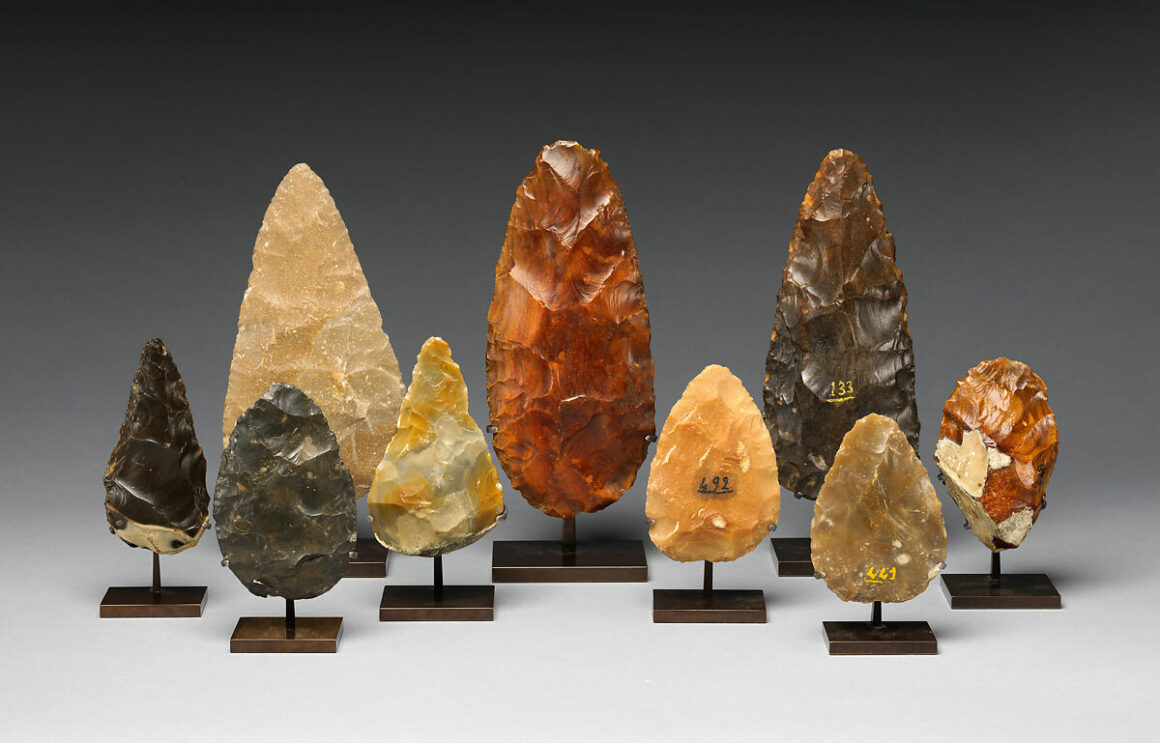
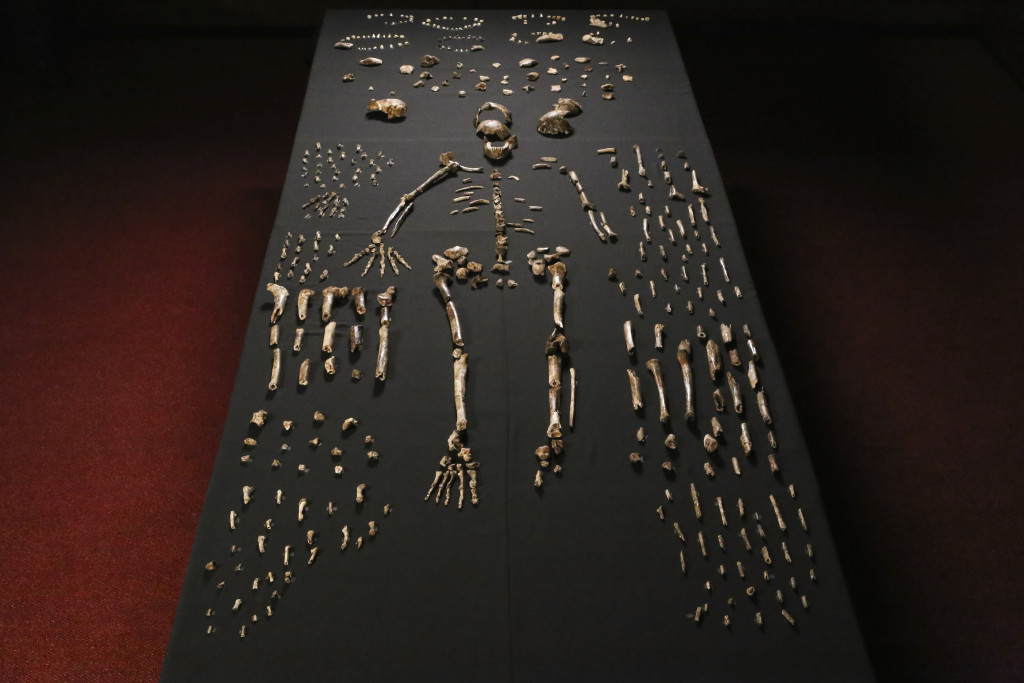
This brings us to the primary problem facing Young Earth Creation. What do we do with all the archeological artifacts and human fossils that the conventional view says are older than the dates of the Flood? For instance, the conventional chronology dates a type of stone ax known as ‘Acheulean’ (first found near St. Acheul, France) as being used between 2 million and 130,000 years ago. Tens of thousands of these ax heads have been found at various spots around the world.
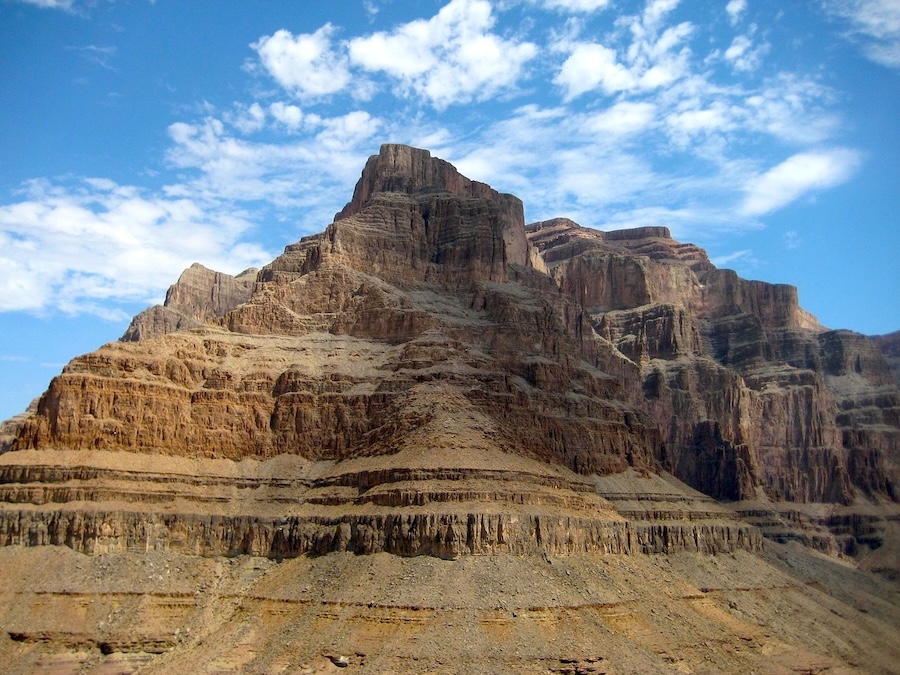
Yet if the Flood was a worldwide catastrophe that swept away everything on the earth and replaced it with new sediment layers miles thick (such as we see in the Grand Canyon), then the Flood would have destroyed all traces of pre-Flood human civilization. There would literally be nothing left on the surface to dig up.
And yet millions of ancient artifacts and human bones have been discovered near the surface all over the world. What do we make of these? Young Earth Creationists say they are the remains of Noah’s descendants who spread out over the earth after the Flood. But it’s not quite that simple: few archeologists or scientists have tried to tackle the enormous challenge of reconciling all these discoveries with the relatively short chronology provided by Genesis. It is a very complex problem.
Nevertheless, a few scientists have done work in this area. Later in this article I will sketch out what a possible reconciliation might look like, including a more in-depth explanation of the challenges facing this view. But before we can do that, let’s look at the second chronological approach held by many Christians. This will introduce the archaeological time periods within the conventional chronology that need to be reconciled to the chronology in Genesis.
Approach 2: Old Earth Creation
The second approach to biblical chronology emerged as a response to the seeming incompatibility between Genesis and the conventional chronology. In the late 19th and early 20th centuries, many Christian scholars became convinced the timespan and events of the conventional chronology were accurate. They also knew the events in first chapters of Genesis were foundational to the rest of Biblical history (not to mention Christian theology). As a result, they came up with new ways of interpreting the text to try to fit the Biblical events to the new chronology.
It may be helpful to outline the conventional chronology. According to this view, the universe began about 14 billion years ago with an expansion event known as the Big Bang. During the next 9 billion years, the universe expanded outward as space dust slowly collected together to form countless moons, planets, and stars in far-flung galaxies.
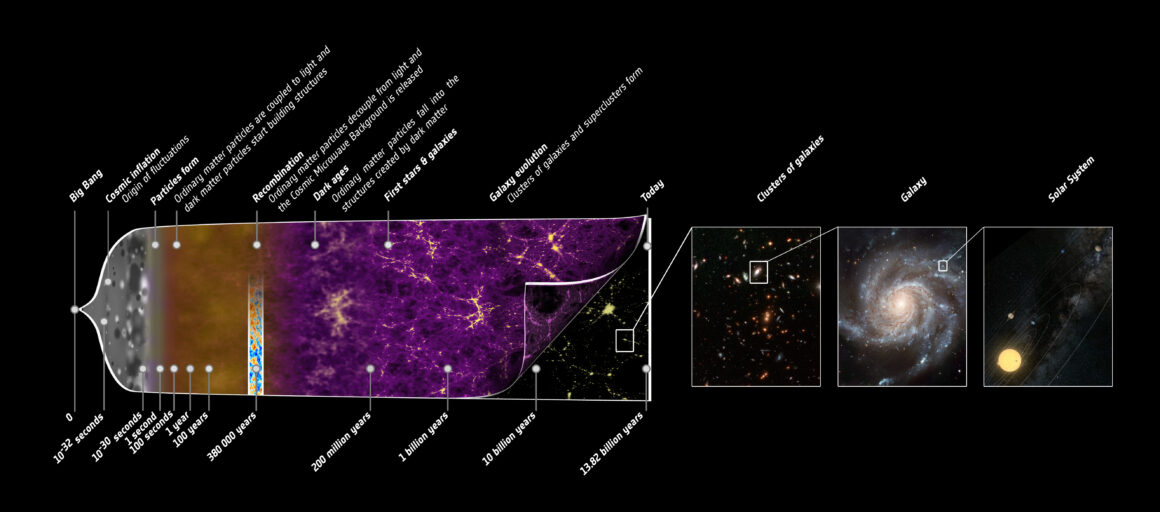
About 5 billion years ago, our solar system began forming from space dust. Over millions of years, some of this dust accumulated to create an early earth filled with fire and molten lava (it’s called the ‘Hadean Eon’ after the Greek underworld). During the next 4 billion years, the earth continued to be uninhabitable as it went through many different atmospheres, climates, and terrestrial environments.
About 550 million years ago, complex marine creatures suddenly appeared in the world’s oceans. After that appearance, numerous biological and geological events occurred that eventually led to the first humans appearing on the earth 2 to 3 million years ago.
These humans looked different from modern humans with different bone structures and skull shapes. They used very primitive sets of tools for millions of years, showing slow technological growth until about 12,000 years ago.
Christians who accept this view say this timeline of events was how how God created the universe, earth, and living creatures over 14 billion years. This approach to Biblical chronology is therefore called Old Earth Creation. (Note: there is a distinction regarding biology within this approach: some think God used evolution to create all the life on the earth; others think God used multiple creation episodes over millions of years.)
Since there are many more events in this chronology than in the Young Earth timeline, it’s helpful to see a chart to understand the periods held by those who think the earth is old. I realize this may seem complex to people who are unfamiliar with this view. To be honest, the sequence of events is far more complex than this chart reveals. There is a significant difference in the number of events that occurred during 14,000,000,000 years compared to 10,000 years. (Note that the conventional archaeological periods are distinguished by the label “Humans” in front.)
| Period | Ref. | Dates | Duration |
|---|---|---|---|
| Universe Formed | Gen. 1 | 13.8—4.6 billion years ago | 9.4 billion years |
| Solar System Formed | Gen. 1 | 4.6—4.2 billion years ago | 200 million years |
| Earth Formed: Hadean Eon | Gen. 1 | 4.5—4 billion years ago | 500 million years |
| Earth Formed: Archaen Eon | Gen. 1 | 4—2.5 billion years ago | 1.5 billion years |
| Earth Formed: Proterozoic Eon | Gen. 1 | 2.5 bil.—550 million years ago | 2 billion years |
| Early Life Appears: Paleozoic Era | Gen. 1 | 550—250 mil. years ago | 300 million years |
| Middle Life Appears: Mesozoic Era | Gen. 1 | 250—65 mil. years ago | 185 million years |
| Recent Life Appears: Cenozoic Era | Gen. 1 | 65 mil. years ago—Present | 65 million years |
| Humans: Lower Paleolithic Period | Varies | 2.6 mil.—300,000 B.C. | 1.3 million years |
| Humans: Middle Paleolithic Period | Varies | 300,000—50,000 B.C. | 250,000 years |
| Humans: Upper Paleolithic Period | Varies | 50,000—12,000 B.C. | 38,000 years |
| Humans: Mesolithic Period | Varies | 12,000—8,000 B.C. | 4,000 years |
| Humans: Neolithic Period | Varies | 8,000—4,000 B.C. | 4,000 years |
| Humans: Chalcolithic Period | Varies | 4,000—3,200 B.C. | 800 years |
| Humans: Early Bronze Age | Gen 11 | 3,200—2,200 B.C. | 1,000 years |
Trying to make this timeline fit with the Biblical record is the primary problem for Old Earth Creation. There have been numerous attempts over the past 150 years at re-interpreting the Biblical text to fit these long periods. These interpretations seem to change as the conventional scientific consensus changes regarding the history of the earth and early man.
Significant areas of of re-interpretation include the six days of creation, the creation of Adam and Eve, the Garden of Eden, the results of Adam’s sin, the genealogies of Genesis 5 and 11, the flood of Noah’s day, and the Tower of Babel.
Consider Noah’s Flood. The traditional view is that the Flood was a global catastrophe that killed nearly every human, land animal, and flying animal on the earth. Only Noah, his family, and select animals were saved in a wooden ship that was approximately 450 feet long, 75 feet wide, and 45 feet high.
The conventional chronology does not think any of these events happened. Instead, scientists point to the miles-thick global sedimentary rock record and say it took over 500 million years to deposit. According to this view, there is no evidence for a global flood, especially not when humans were on the earth.
So how does Old Earth Creation try to solve this problem? Genesis clearly talks about a major flood, but the conventional chronology says that is impossible. As a result, they re-interpret Genesis 6-8 as referring to a local flood. This means it only killed those people and animals living in the area of the flood.
Yet this introduces a new set of problems. On the Biblical side, why does Genesis 6-8 use such globally destructive language? What are we to make of Jesus’ comments about the flood that “swept them all away?” Or Peter saying “the world that then existed was deluged with water and perished”?
On the conventional side, however, there isn’t evidence for a major flood that would be able to float a ship the size of Noah’s Ark for nearly a year. Instead, the conventional chronology says humans appeared in Africa millions of years ago, then spread around the world from there. Any major local floods would only have impacted a tiny fraction of the global population.
Rather, the conventional chronology presents a convincing narrative for the uninterrupted development of the human species. Based on the archaeological record, these various species progressed through different technological stages. Here are five well-known examples:
- Handy Man (Homo habilis) – 2.4 million to 1.4 million B.C.
- Upright Man (Homo erectus) – 1.9 million to 110,000 B.C.
- Heidelberg Man (Homo heidelbergensis) – 700,000 to 200,000 B.C.
- Neanderthal Man (Homo neanderthalensis) – 430,000 to 40,000 B.C.
- Wise Man/Modern Man (Homo sapiens) – 315,000 B.C. to present
Fossils representing these different humans have been found all over Africa, Europe, and Asia. Even more examples of their tools (ax heads, choppers, cleavers) have been found in the same areas. According to this chronology, the famous human fossil site in Olduvai, Tanzania goes back at least 2 million years. Neanderthals lived all over Europe 200,000 years ago, hunting, fishing, and burying their dead. A group of artists painted beautiful wall murals in southern France and Spain over 30,000 years ago.
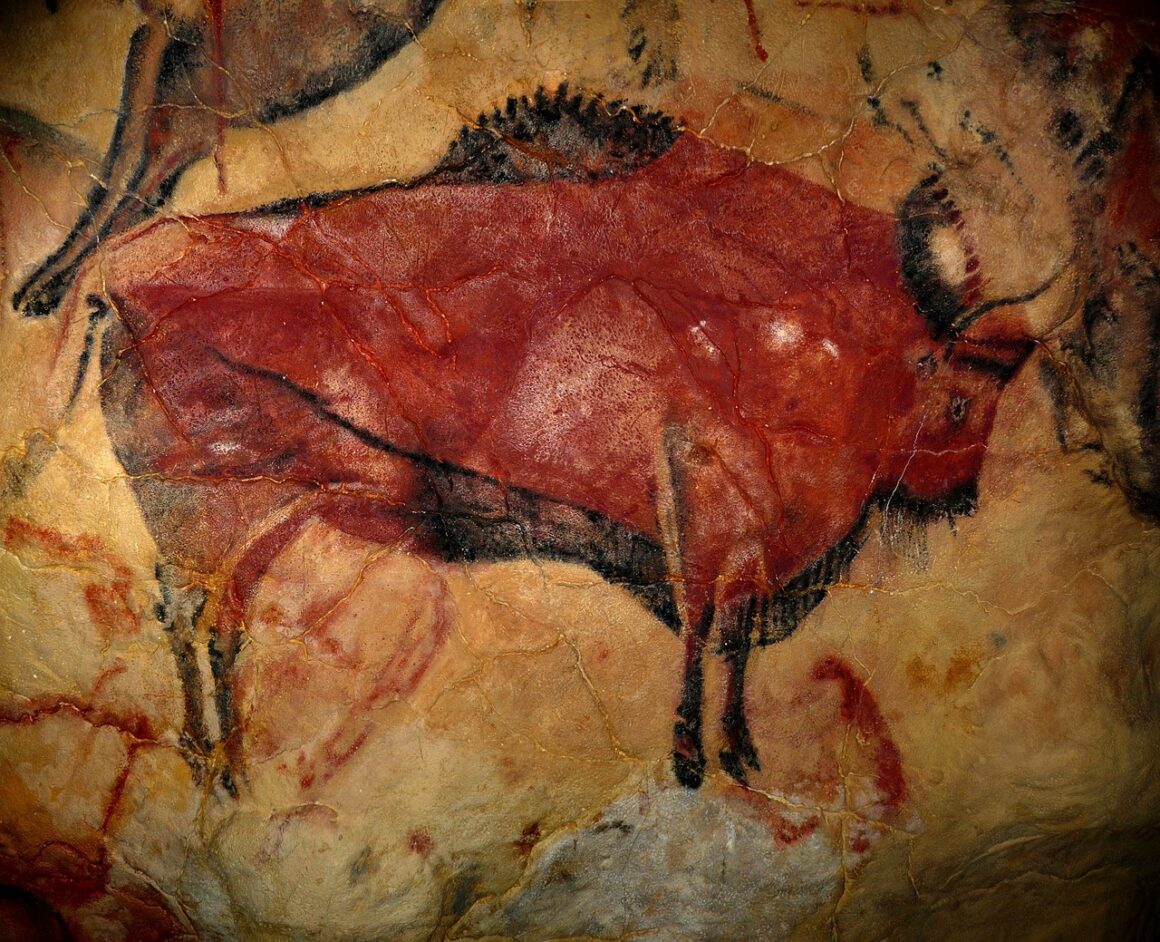
So how does all this archeological evidence fit with the specific history in Genesis? It is not clear. How do Adam and Eve relate to the Olduvai site? How do Enoch, Methuselah, or Noah connect to the Neanderthals? And how does the spread of Noah’s children after the Flood link up to the cave paintings in France?
I suspect these questions (and others like them) are why Christian scholars who hold to Old Earth Creation generally ignore this issue. There does not appear to be a way to reconcile the actual events listed in Genesis with the actual events included in the conventional chronology.
I am sympathetic with the many intelligent Christians over the years who have felt the intellectual pressure of the modern scientific paradigm standing behind the conventional chronology. But a rejection of the Bible’s chronology eventually leads to a rejection of the Bible’s actual events.
I also would observe that the modern scientific paradigm is not as strong as many have been led to believe. The films in the Is Genesis History? series demonstrate there is lot of evidence that supports the Biblical record. Although Young Earth Creation still has much work to do in this area, I think it provides the only possible route out of the problem.
Let’s now take a few minutes to sketch out a potential reconciliation of the Bible’s record and the conventional archaeological periods.
A Young Earth View: Man Before the Flood
The Flood is the central event in the Young Earth chronology. It influences everything that comes after it. Although there are many things we could talk about here, I’ll try to focus only on the points relevant to the early history of man.
During the Flood, massive tidal waves covered the continents and left sediment layers that were miles thick. This would have wiped out all existing human civilizations, including all artifacts and architecture. It would also have destroyed all the pre-Flood forests, grasslands, jungles, and highlands, as well as all the animals living in them.
What about artifacts of these pre-Flood civilizations? Shouldn’t we have found some evidence of humans from before the Flood, such as tools or human fossils? One would assume that to be the case, but up to this point, nothing has been found. This is one of the challenges to the Young Earth view, and although there are no perfect answers, there are interesting ideas as to why this might be. One more curious thing: so far, no modern mammals or birds have found in the flood layers.
So what is found there?
If you look at the fossil record of the larger animals living before the Flood, it is filled with dinosaurs. Many of these were powerful carnivores that stood at the top of the food chain in every environment: tyrannosaurs, pterosaurs, and mosasaurs— not to mention the smaller, ferocious carnivores like velociraptors.
When you see the land, sky, and sea dominated by dinosaurs, it makes you wonder: what if the pre-Flood earth was literally Jurassic World?

Imagine humans or lesser creatures (like mammals or birds) trying to live in the vicinity of these incredibly violent beasts. One dinosaur expert observed that if it is difficult to imagine modern weapons bringing down these enormous creatures, what would prior generations have done? To survive, humans and other animals might have had to flee and seek areas dinosaurs could not easily reach, such as islands or protected peninsulas.
Furthermore, the Bible does not say how many people were living before the Flood. What it does say is that all creatures were corrupt and “the earth was filled with violence.” God explained to Noah that was the main reason He was going to destroy them with the Flood.
Here’s another question: what if carnivorous dinosaurs had reduced humans to small populations that were living in remote areas and trying to stay alive with mammals and birds? If that were the case then the first stages of the Flood would have quickly wiped out these enclaves; if they were living off the continents, their remains would have been lost in the oceans and eventually covered by the magma flowing into the new ocean basins.
Now, I realize this scenario is just a supposition that has extremely indirect evidence from Genesis. And yet, the fact that all modern mammals, birds, and humans just suddenly show up in the fossil record above the layers that mark the end of the Flood is also evidence those creatures were living somewhere before the Flood. They just happened to be in a place that didn’t support fossilization.
After all, the sudden appearance of thousands of new types of animals in the fossil record doesn’t have a reasonable explanation from an evolutionary perspective. Evolution takes time, but well-engineered creatures like bats (more complex than any drone with built-in sonar and precise targeting skills) suddenly appear fully formed and flying all over the earth. Rather, this rapid global appearance suggests a big cargo ship landed somewhere and dumped thousands of animals into the world’s new empty ecosystems.
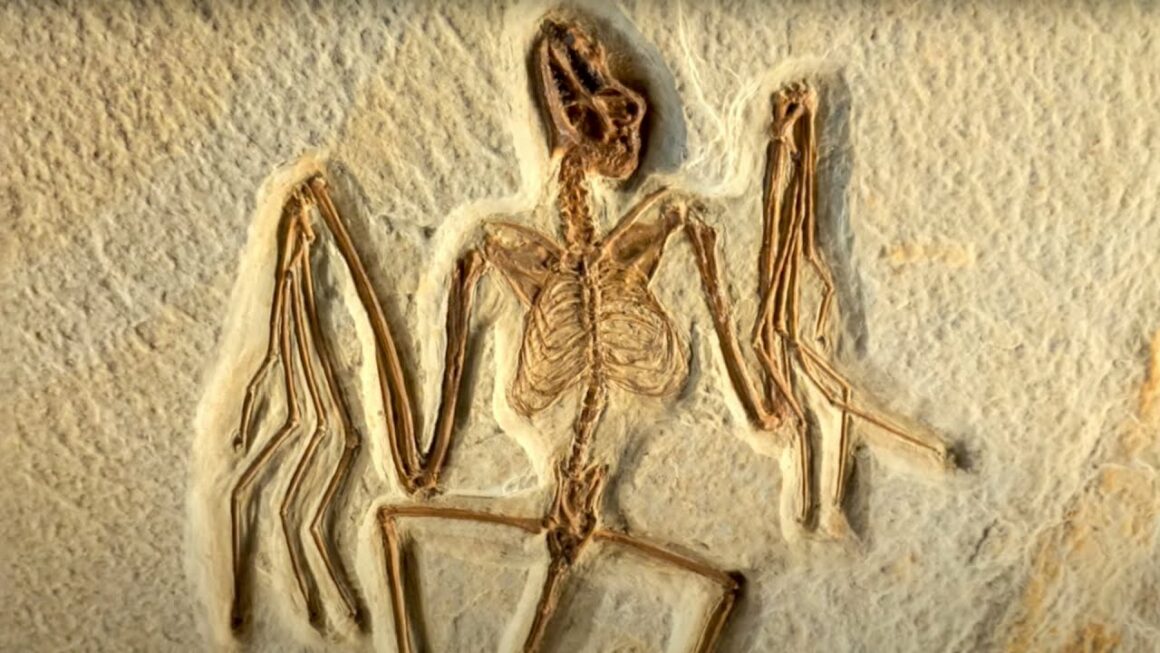
One final point: the sudden disappearance of all the violent dinosaurs just before most of the mammals and birds appear on the scene is more evidence for Biblical record. The millions of dead dinosaurs entombed all over the earth are stark testimony to God’s judgment against extreme violence.
A Young Earth View: The World After the Flood
So what did the Flood actually do to the earth? The Flood was a dynamic global catastrophe that included massive tsunamis, continent-wide mudflows, earthquakes, hurricanes, asteroid impacts, volcano eruptions, mountains rising and falling, sheet erosion, and much more. This means that after the Flood the earth was a post-apocalyptic landscape. It certainly wasn’t the lovely world imagined by painters and illustrators.
In fact, it might be more helpful to think of the “Flood” as a massive series of interrelated disasters that would make a great Hollywood movie. Different parts of the world appear to have been affected in different ways. For instance, one area might be covered with water while another was being pushed up by tectonic movements. As the Flood ended, the events happening in the area now known as Eastern North America or Southern China would have been different than the events going on in the emerging Caucasus Mountains (which include the region of Ararat).
As a result, when the Ark first lands in the Ararat area, even though a massive amount of water had already receded into the new ocean basins, there was still a lot of water everywhere AND the mountains themselves were still rising AND some really terrible catastrophes were still going on.
It was not a pretty place.
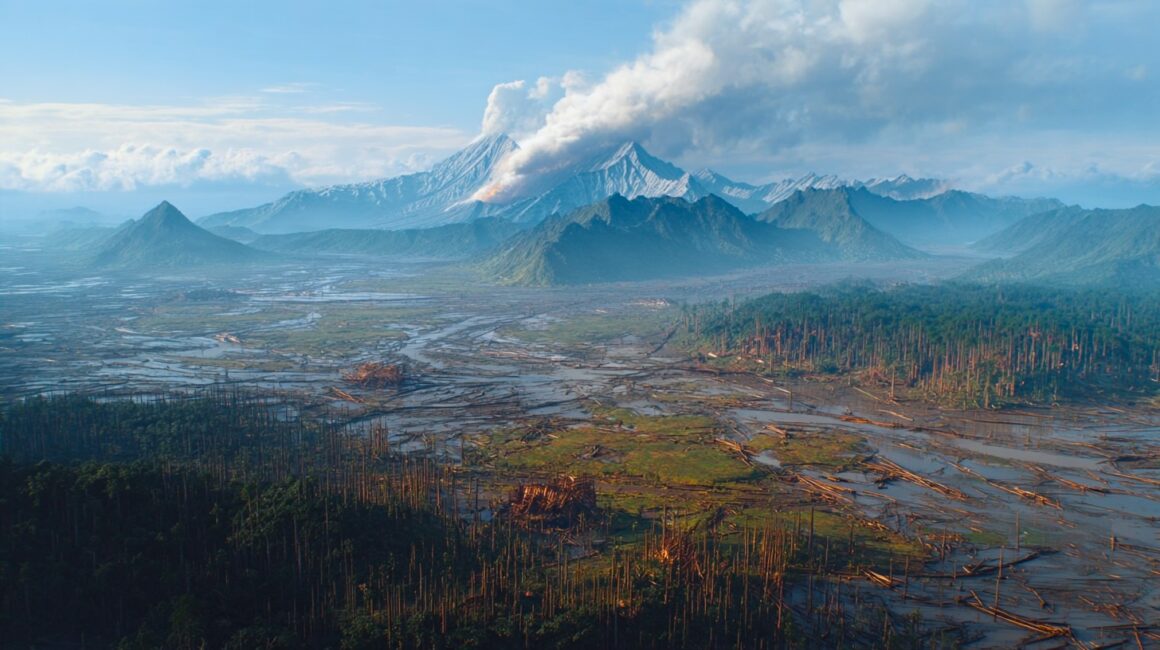
This is likely why Noah stays inside the Ark for seven more months after it touches the top of the new mountains. A lot was going on during those seven months: massive erosion, earth movements, earthquakes, landslides, huge storms, and things no human would want to live through.
Then there are all the unanswered questions: did the Ark stay in one place, or did it slide down the mountainside as the waters subsided? Did earthquakes affect it? How about mudslides? According to Genesis, Noah doesn’t even open a window for months after the Ark hits ground; that doesn’t suggest a peaceful situation.
Yet the area slowly became more stable. During the last months Noah is in the Ark, the main flood waters are gone. In their place, plants and trees begin to regrow in the fertile, warm, wet environment. As a reminder, all the trees and plants of the world would have ended up floating on the world’s oceans during the Flood. Many had already been buried to form enormous coal deposits in the lower Flood layers. Others, however, were buried on the surface and began to grow into new ecosystems.
Here is where things get complex. According to most creation geologists, the Post-Flood world was still a very dangerous place. The global catastrophes were lessening, but it was a slow decline rather than a sudden stop. When one looks at the geological record, a lot of crazy things were still going on. (We discuss this in our film Mountains After the Flood).
Take, for example, the Caucasus mountains. They are part of the series of mountain chains that stretch from the Himalayas to the Alps. They were rising at the end of the Flood and continued rising for hundreds of years into the post-Flood period as a result of two enormous continental plates running into each other. The southern part of these mountains was the region of Ararat.
Although Ararat today is known as one mountain, it was a very different landscape when Noah was alive. In fact, the Ark likely ended up in one of the nearby valleys since olive trees do not thrive at high altitudes. Furthermore, the mountains themselves were unsafe: Ararat and many other mountains in the area are volcanic. As one creation geologist observed, animals, people, and a wooden ship wouldn’t survive for long on an active volcano.
My point is that we can’t look at the current topography of that area and assume it looked the same when Noah left the Ark. It likely did not. This principle applies to almost every region of the world at that time. During the centuries after the Flood, the earth’s surface continued to be transformed from one region to the next in fairly radical ways.
That was true climate change. The Sahara desert was once a wet grassland with rhinos and giraffes; Canada and parts of the northern U.S. were once covered in ice over a mile thick; the Bering Sea was once a land bridge that people and animals could walk across. It’s a mistake to assume our world today looks like the world after the Flood. It was not the same place at all.
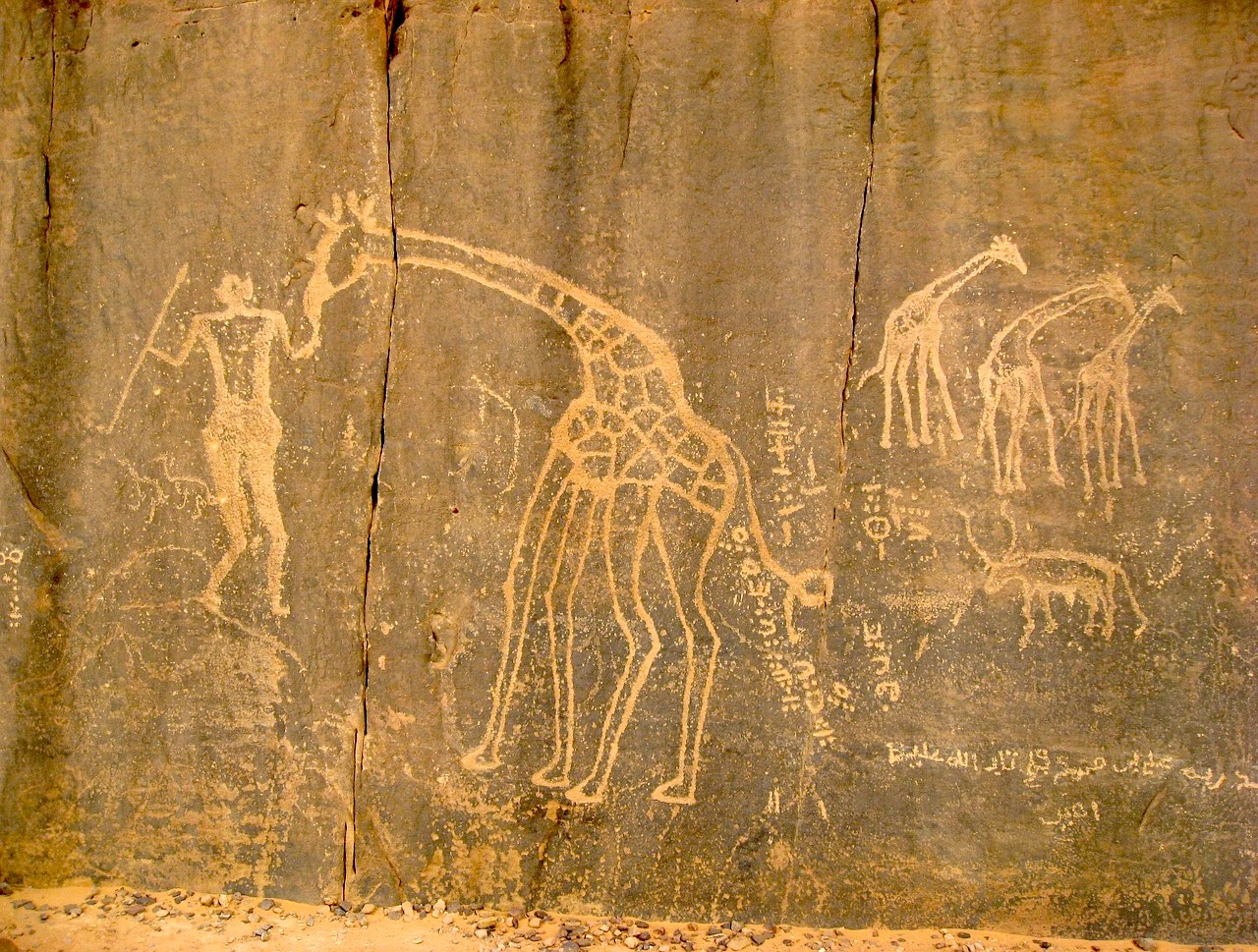
One more thing: when Moses wrote Genesis, he used the names of regions that his readers would recognize at the time he was writing. Many of those areas had changed their names over the centuries, so he selected names to identify the geographical regions as they were known in 1400 BC. But he rarely tells us anything about the environments themselves during their historical existence. He’s more interested in the people groups than the setting; we must therefore be careful of “projecting” our world into the many landscapes of Genesis.
I think this projection of the present onto the past is one of the biggest stumbling blocks to understanding Genesis. It’s a problem that has been with us for a very long time as a result of all the paintings, illustrated children’s books, and movies about Genesis. People look at the current world—landscapes, weather, animals, people—and project what they see today onto what they read about the Biblical world. It is a mistake that has caused much misunderstanding.
Moses wrote down the essential events and the timeline in Genesis 1 to 11. It is up to us to take his outline of history and match it to the rocks, fossils, and human tools we have discovered in the world around us. And that is what we will do next.
Part 2 – Coming Soon
